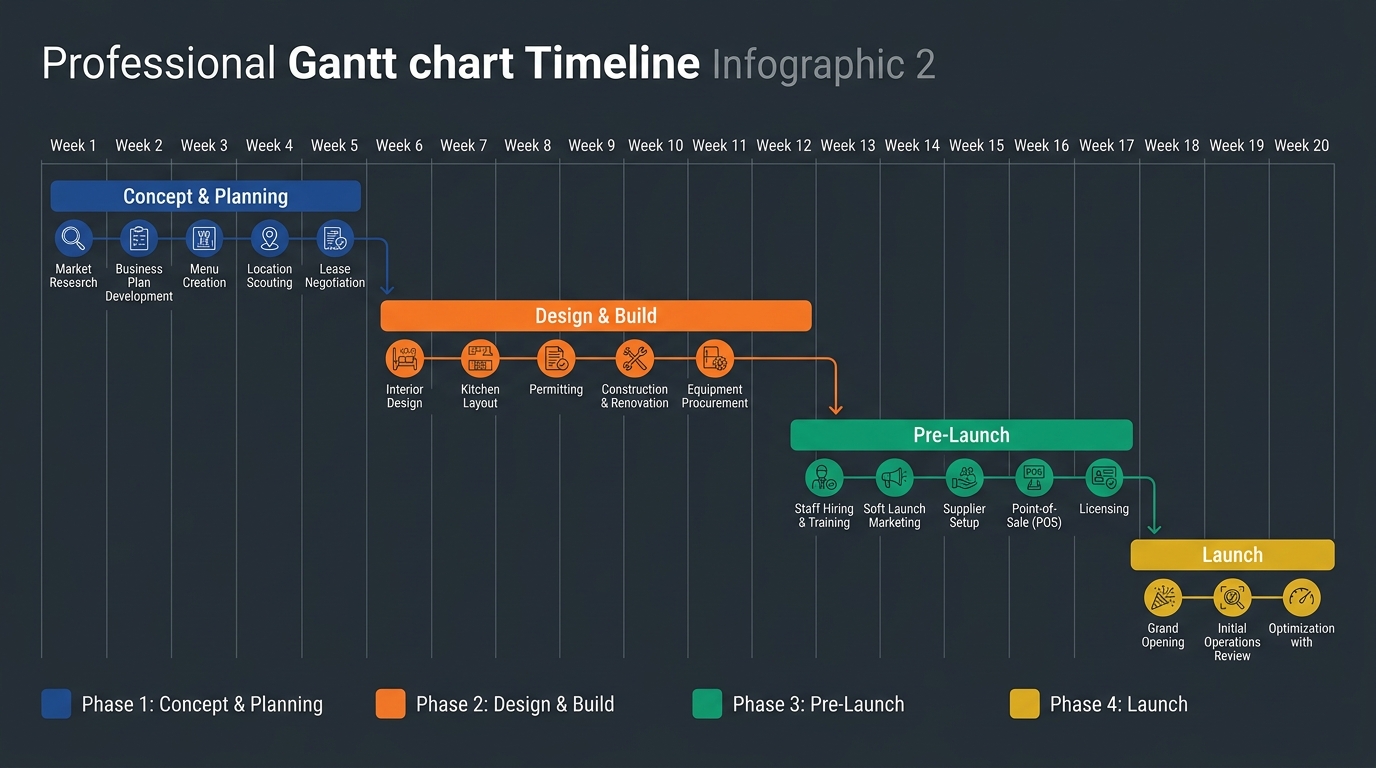
From Concept to First Service — Your Complete 20-Week Launch Roadmap
Built on 20+ years of launching hospitality venues across 5 countries | By Epicurean Digital Consultants
Opening a restaurant is one of the most exciting — and most risky — ventures in business. Research shows that approximately 17% of restaurants close within their first year, and around 50% don't make it to year five (Bureau of Labor Statistics; Datassential 2025; Forbes). These aren't bad businesses run by bad people — they're passionate operators who underestimated the complexity.
The startup costs alone tell the story: a restaurant in the UK typically requires £80,000 to £500,000+ to launch (Sources: Local Brand Hub 2026; Toast UK 2025; Sage UK 2025). In the US, that range is $175,000 to $750,000+ (Lightspeed 2024; Financial Models Lab 2025). Every pound of that needs to be planned, tracked, and deployed strategically.
This playbook gives you the complete system for doing exactly that — 12 chapters covering every phase from initial concept to your 90th day of trading. Whether you're opening an upscale Italian in Chelsea, a fast-casual Asian concept in Manchester, or a neighbourhood bistro in Austin — the fundamentals are the same.
We've spent 20+ years launching 250+ food and beverage outlets across 5 countries, and every lesson we've learned is distilled into the chapters that follow. From kitchen design and alcohol licensing to menu engineering and wine list strategy — nothing is left to chance.
If reading this makes you think "I need help with this" — that's exactly why we exist.
Cross-checked: UK restaurant startup costs typically range from £80,000 to £500,000+ depending on size, location, and concept (Sources: Local Brand Hub 2026; Toast UK 2025; Sage UK 2025). US equivalents: $175,000–$750,000+ (Sources: Lightspeed 2024; Financial Models Lab 2025). Costs vary significantly by market.
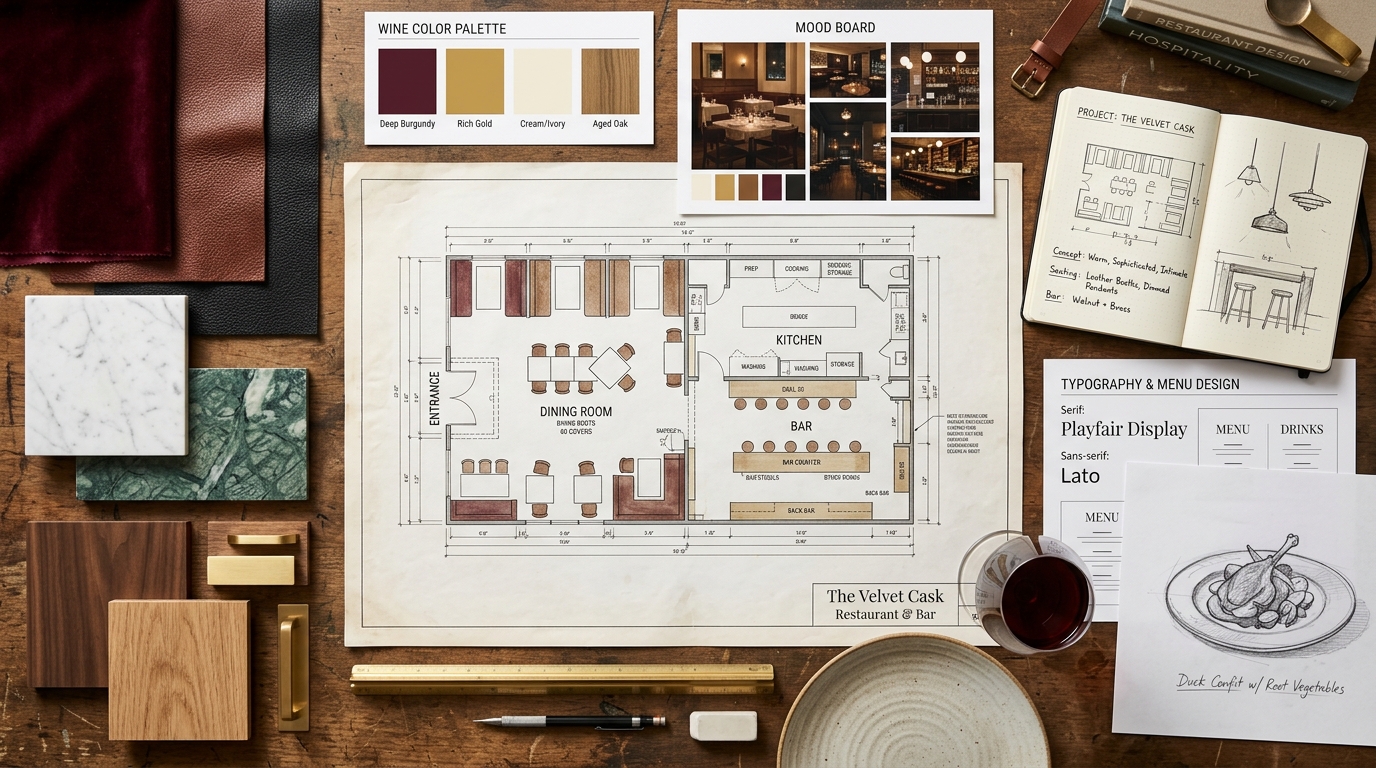
Opening "an Italian restaurant" without a concept. Italian is a cuisine, not a concept. A rustic Sardinian grill house with open-fire cooking, a modern Roman small-plates wine bar, and a family-friendly Neapolitan pizzeria are three completely different businesses — with different customers, price points, staff requirements, and equipment. Define the concept, not just the cuisine.
Your concept should answer one question: "Why would someone drive past 10 other restaurants to eat at yours?" If you can't answer that, you don't have a concept yet — you have a category.
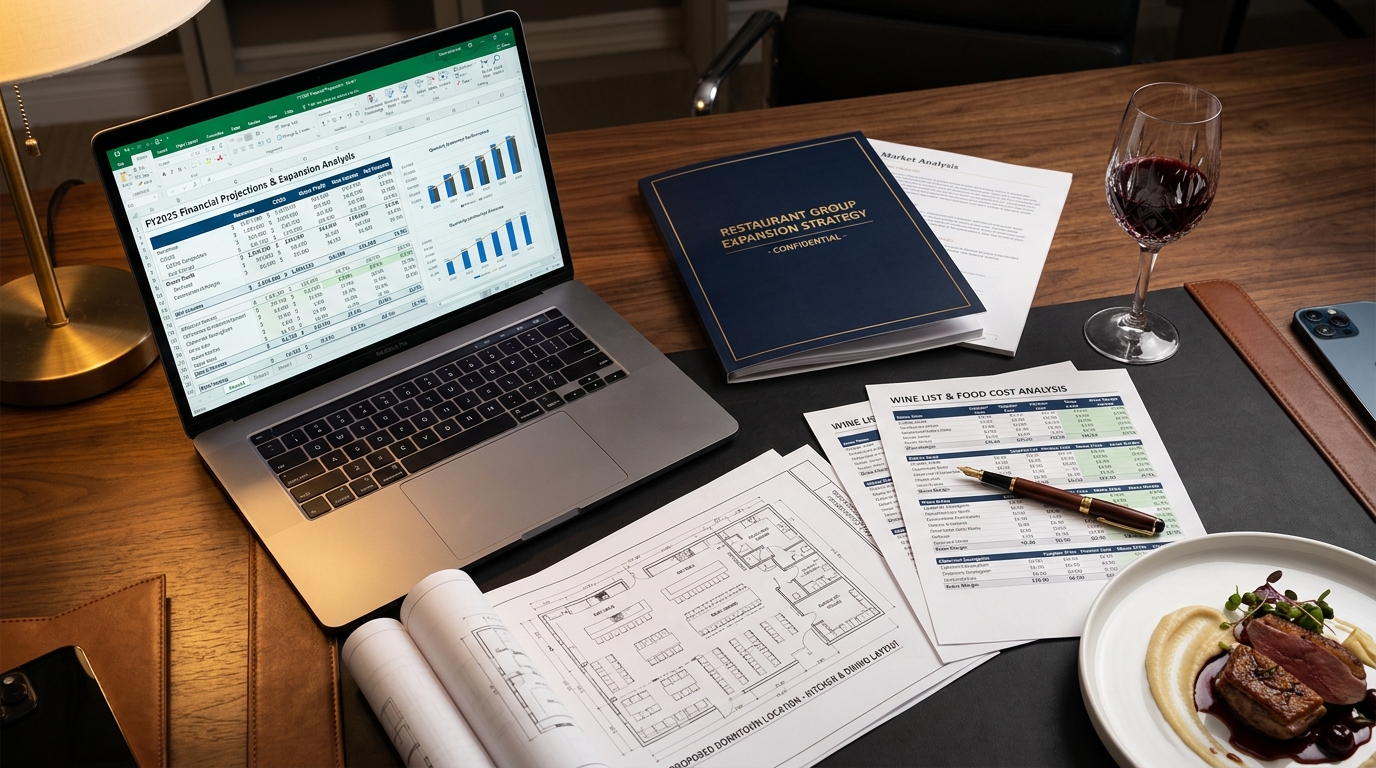
Cross-checked against multiple 2025–2026 sources (Local Brand Hub, Toast UK, Sage UK, Lightspeed):
| Category | Small Independent | Mid-Range | Premium / London |
|---|---|---|---|
| Lease deposit, legal, agents | £5K–£15K | £15K–£40K | £40K–£100K |
| Fit-out & renovation | £20K–£60K | £60K–£150K | £150K–£300K |
| Commercial kitchen equipment | £15K–£40K | £40K–£80K | £80K–£150K |
| Bar equipment & glassware | £3K–£8K | £8K–£20K | £20K–£40K |
| Furniture, fixtures, decor | £5K–£15K | £15K–£40K | £40K–£80K |
| Initial stock (food, wine, spirits) | £3K–£8K | £8K–£15K | £15K–£30K |
| Brand identity & design | £2K–£5K | £5K–£15K | £15K–£30K |
| Website & digital | £1K–£3K | £3K–£7K | £7K–£15K |
| Licences, permits, insurance | £2K–£5K | £5K–£8K | £8K–£15K |
| Staff recruitment & training | £2K–£5K | £5K–£10K | £10K–£20K |
| Marketing & launch | £2K–£5K | £5K–£15K | £15K–£30K |
| Working capital (3–6 months) | £10K–£30K | £30K–£60K | £60K–£120K |
| TOTAL | £70K–£200K | £200K–£460K | £460K–£930K |
Note: US equivalents approximately $175K–$750K+ for comparable setups.
A 60-cover casual dining restaurant in a decent UK location:
This is achievable but not guaranteed. Location, execution, concept strength, and marketing all determine whether you hit these numbers.
Underbudgeting fit-out by 40%. Every restaurant renovation goes over budget — plan for it. Add 20–30% contingency on your fit-out line and you'll sleep better at night. The operators who fail are the ones who spend everything on the build and have nothing left for working capital.
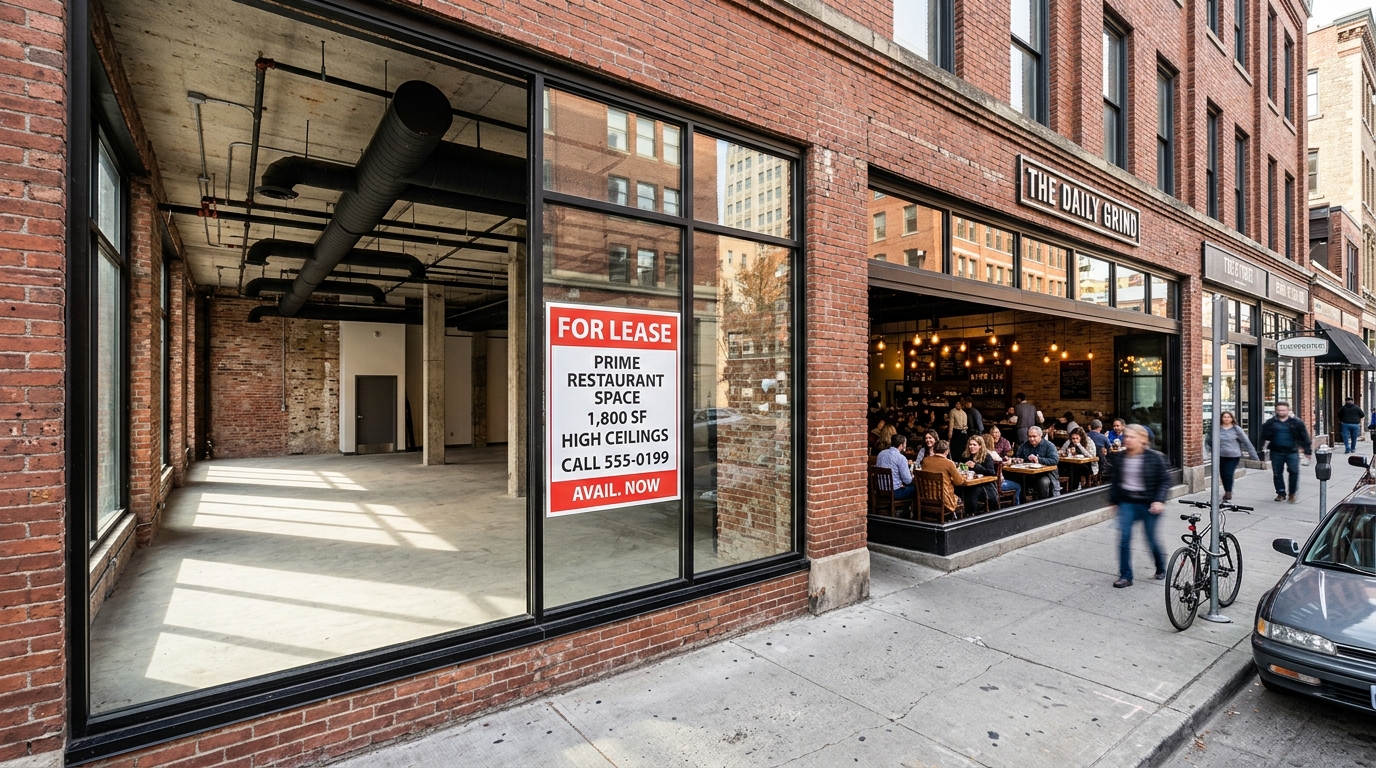
We score every potential restaurant location on 12 criteria, each rated 1–10:
Score 80+ = strong candidate. 60–79 = proceed with caution. Below 60 = walk away.
Not checking extraction feasibility before signing the lease. If the building doesn't allow a proper commercial kitchen extraction system — or if planning permission is denied — you've committed to a space you can't use as a restaurant. Always get extraction confirmed in writing before committing.
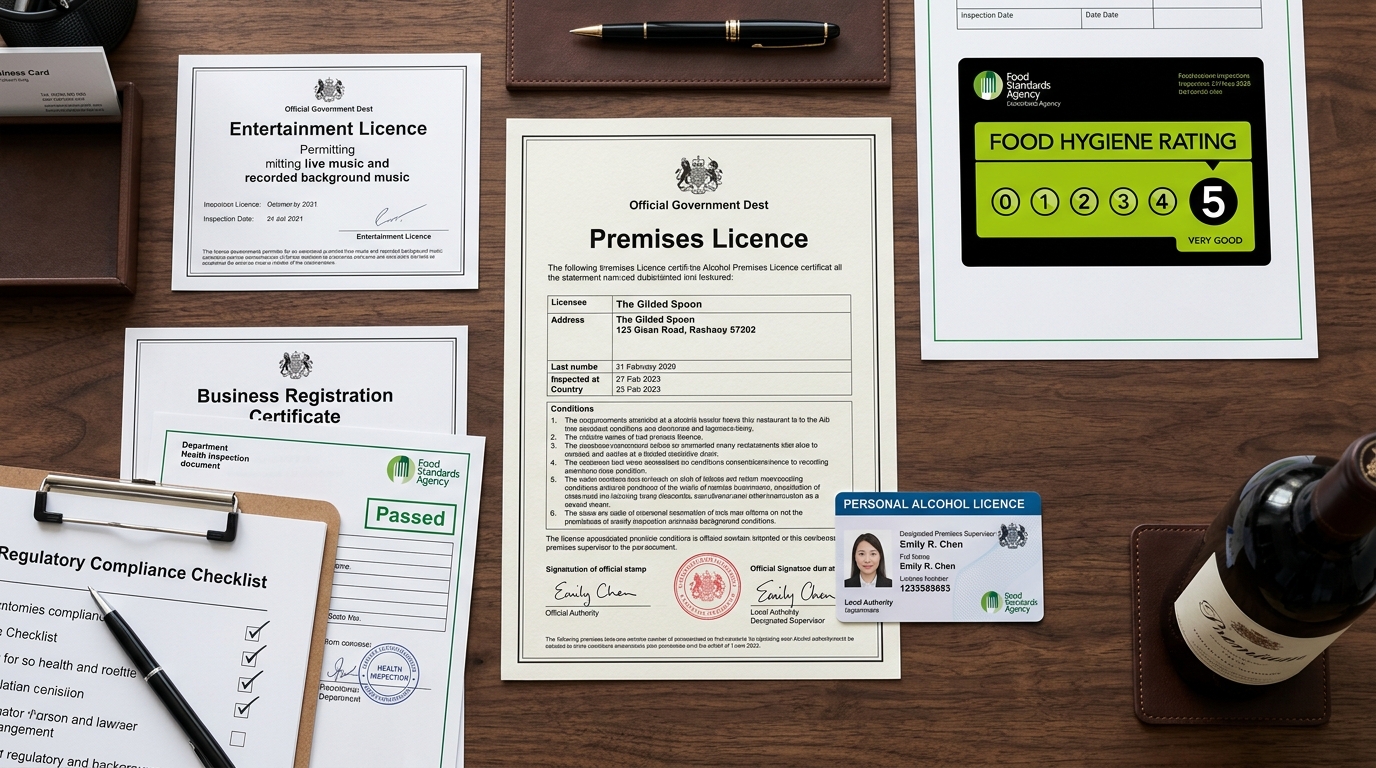
This is the most time-sensitive requirement for any restaurant serving alcohol:
Always consult a local attorney for state-specific requirements.
Not applying for your premises licence early enough. The 28-day consultation period plus potential hearing means this can take 2–3 months. Start this process in Week 4, not Week 12. Many restaurant openings are delayed by months because the operator assumed the alcohol licence would be quick.
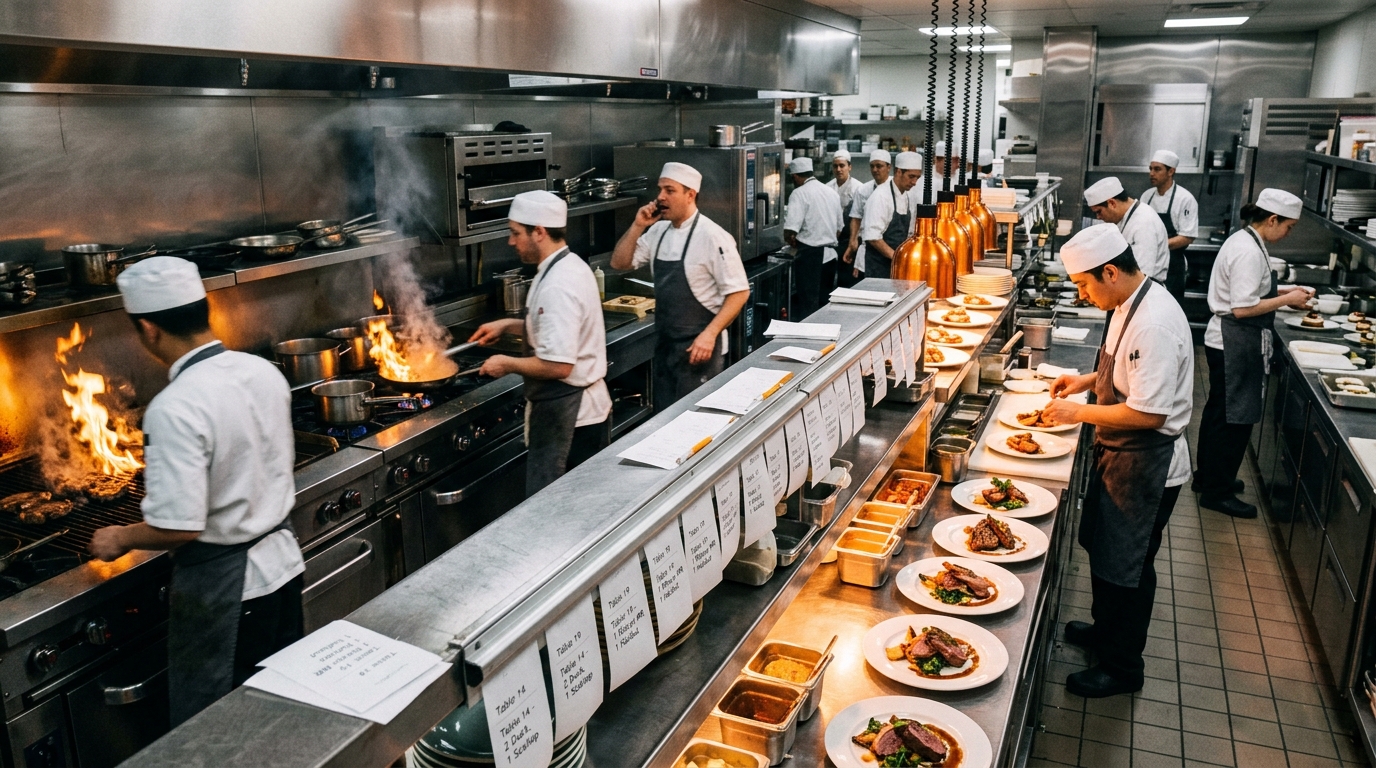
A professional restaurant kitchen is organized by station, each with specific functions and equipment:
Understanding who works where and the flow between stations is critical to kitchen design:
| Station / Area | Key Equipment |
|---|---|
| Cooking | Commercial range (6–8 burner), flat-top griddle, charcoal grill/Josper, deep fryer, combi oven, salamander/grill, sous vide |
| Prep | Stainless steel workbenches, food processor, planetary mixer, vacuum packer, blast chiller |
| Cold Storage | Walk-in fridge, walk-in freezer, prep fridges (under-counter), display fridge |
| Wash | Commercial dishwasher, pot wash sink, glass washer |
| Bar | Ice machine, speed rail, back bar fridges, glass storage, cocktail station, draught beer system (if applicable) |
| Pass | Heat lamps, service counter, ticket rail / KDS screen |
| Safety | Fire suppression system (Ansul or equivalent — legally required over commercial cooking equipment), first aid |
Equipment budget range: £15,000–£150,000 depending on concept and scale.
Designing the menu before the kitchen. Your kitchen layout should be designed for efficiency first, then the menu built around what the kitchen can execute consistently at speed. A beautiful 30-item menu means nothing if your 3-station kitchen can't deliver it during a 100-cover service.
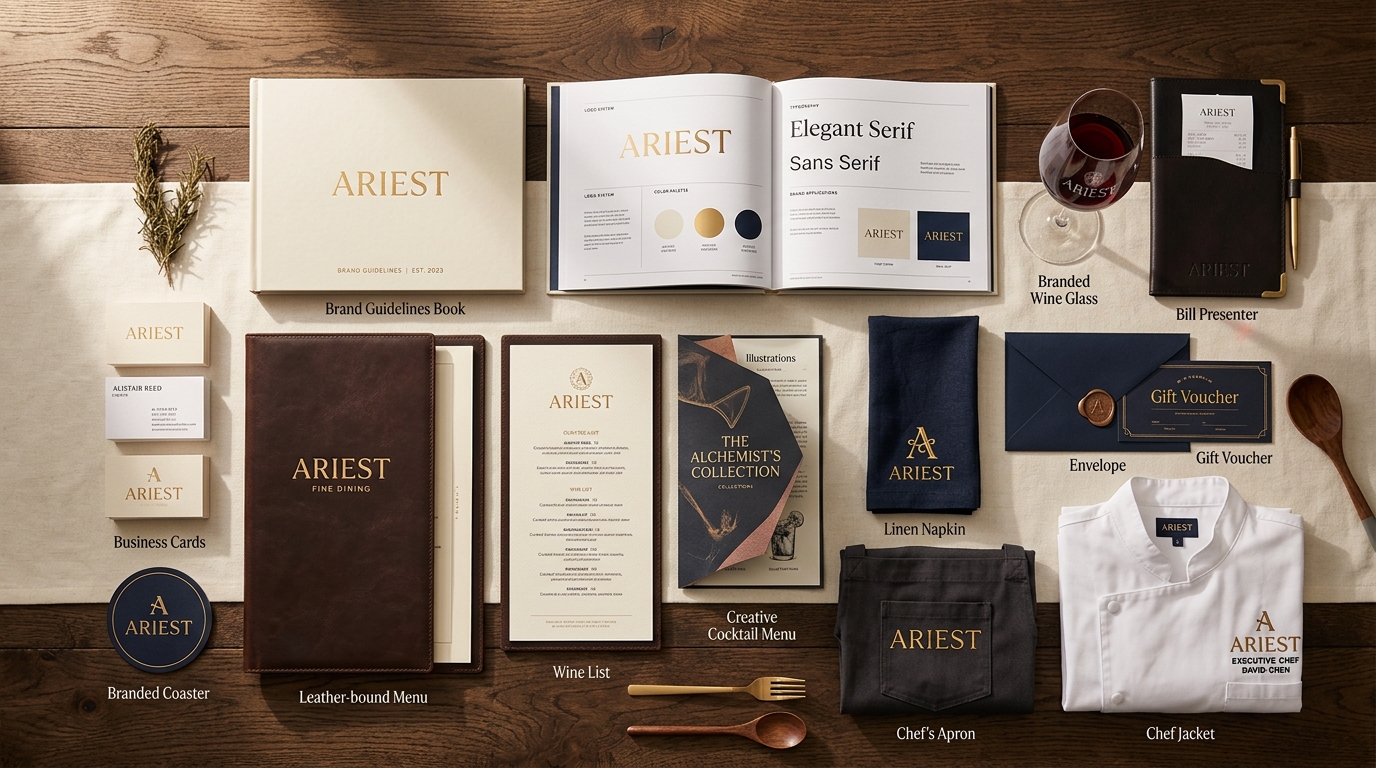
This chapter covers the complete design touchpoint set across 10 phases
In a market where diners have dozens of options within a mile radius, your brand is the reason someone books a table at your restaurant instead of the one next door. It's not just about the food — every restaurant at your price point has good food. It's about creating an identity and an experience that guests want to be part of, return to, and recommend.
The best restaurant brands create an emotional connection before the first bite and long after the last.
A logo from Fiverr, a Canva menu, and a random Instagram aesthetic is not a brand. When your menu says one thing, your signage says another, and your wine list looks like it was designed by a different company — you don't have a brand. You have visual noise. Invest once in a cohesive system, and it shows in perceived value and pricing power.
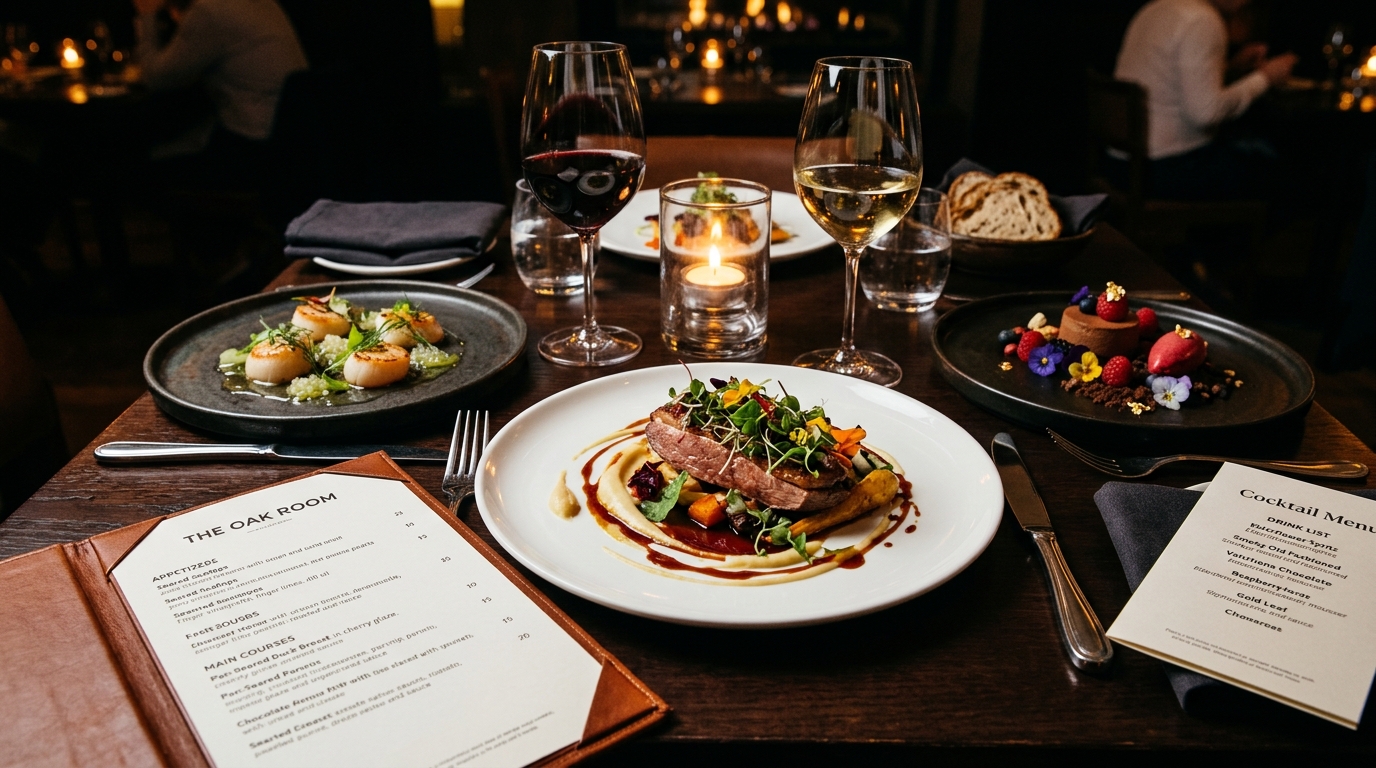
Every menu item is classified into one of four categories based on profitability and popularity:
| Category | Popularity | Profitability | Strategy |
|---|---|---|---|
| Stars | High | High | Promote heavily — these are your money-makers |
| Puzzles | Low | High | Reposition, rename, or retrain staff to recommend them |
| Plowhorses | High | Low | Increase price, reduce portion, or substitute cheaper ingredients |
| Dogs | Low | Low | Remove from menu or completely reimagine |
Every dish must have a complete allergen matrix documented — not just for compliance, but for staff confidence in answering guest questions. This is a legal requirement under Natasha's Law (UK) and a guest safety essential everywhere.
Pricing your wines too low because you're afraid customers won't pay. The restaurant industry standard is 3–4× wholesale for a reason — your wine programme should be one of your most profitable revenue streams. A wine list with 2× markups leaves money on the table and devalues your offering.
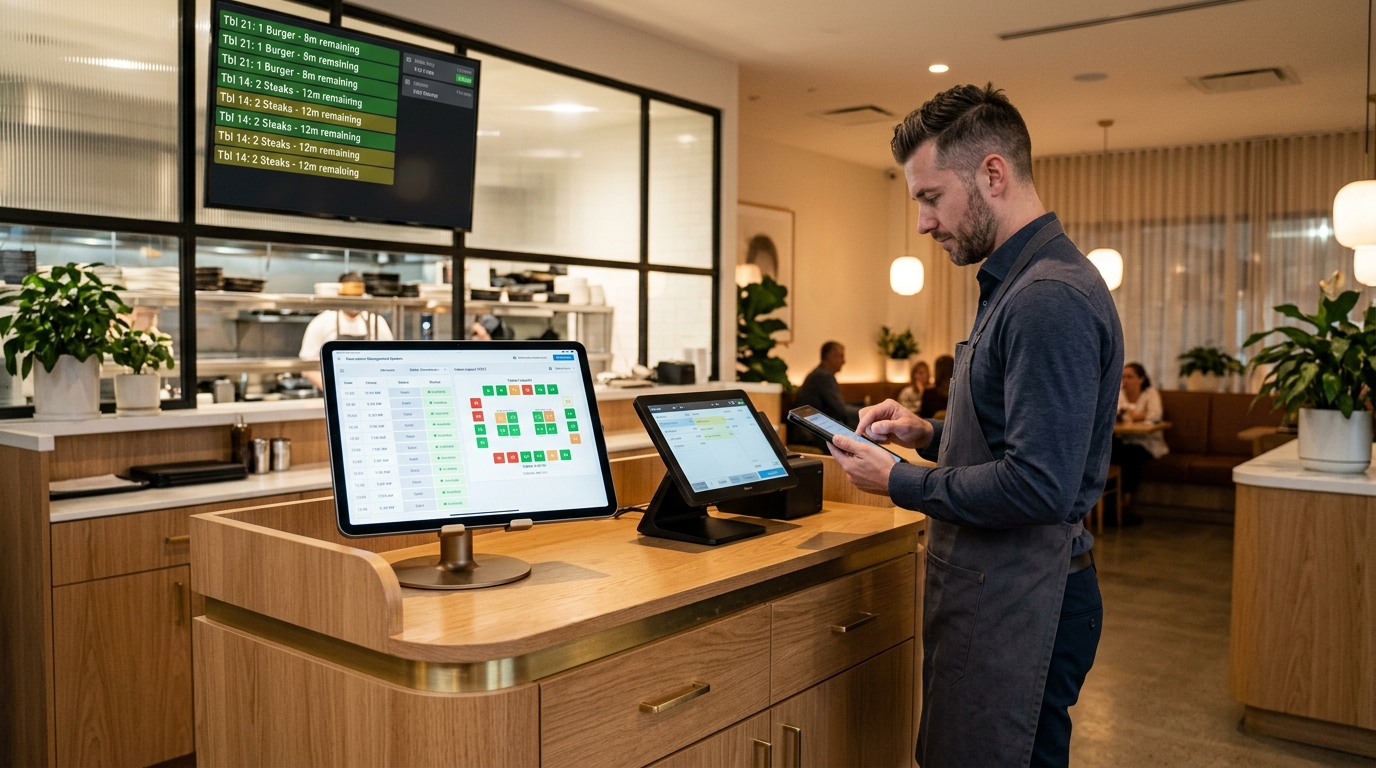
For restaurants with table service, a reservation system is essential. Options and considerations:
Not investing in a Kitchen Display System from day one. Paper tickets get lost, smudged, and misread. A KDS costs £500–£1,500 to set up and will save you thousands in comped meals, re-fires, and wasted food within the first month. It also provides data on kitchen timing that's invaluable for optimization.
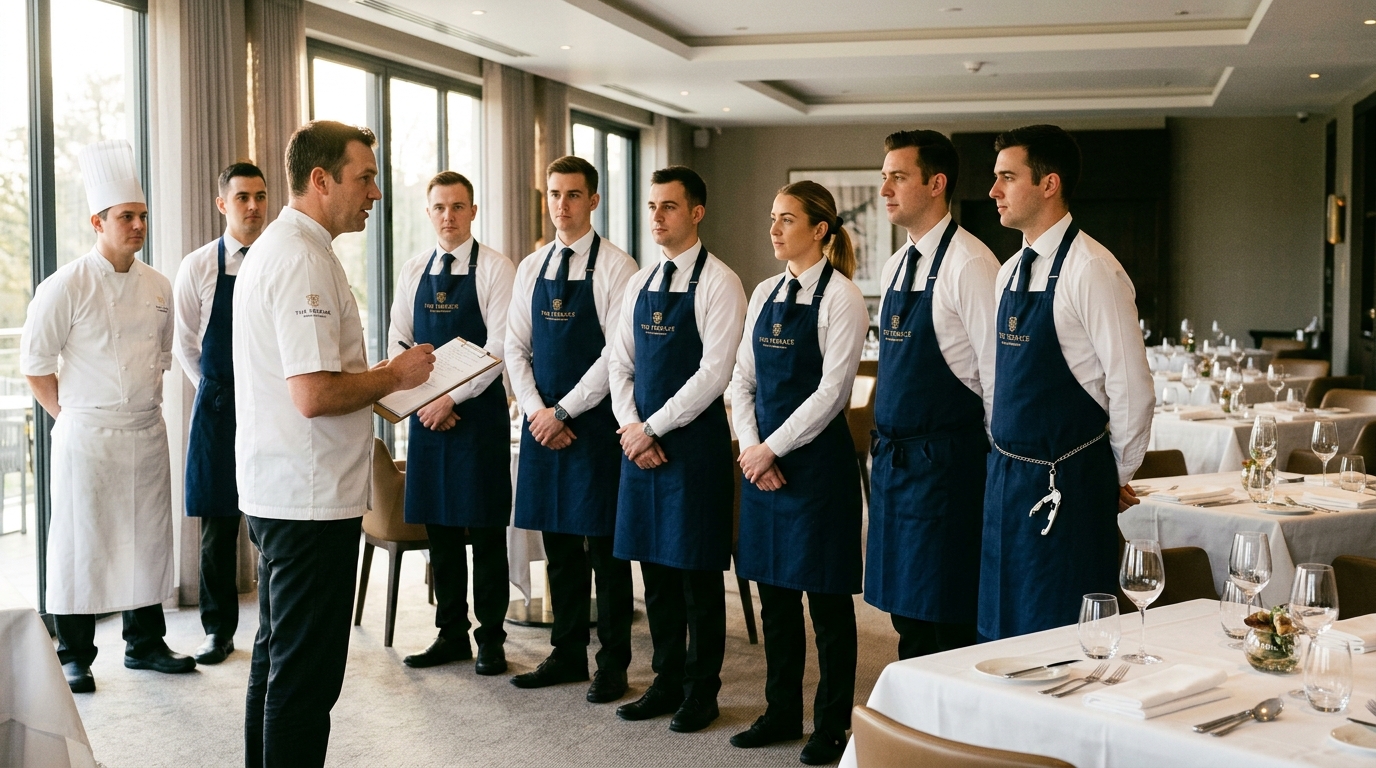
Industry standard benchmarks:
Every service begins with a 10–15 minute briefing covering:
Hiring experienced staff and assuming they don't need training. Every restaurant is different. Even a waiter with 10 years' experience needs to learn your menu, your wine list, your service standards, your systems. Training is not about teaching people to be waiters — it's about teaching them to be YOUR waiters.
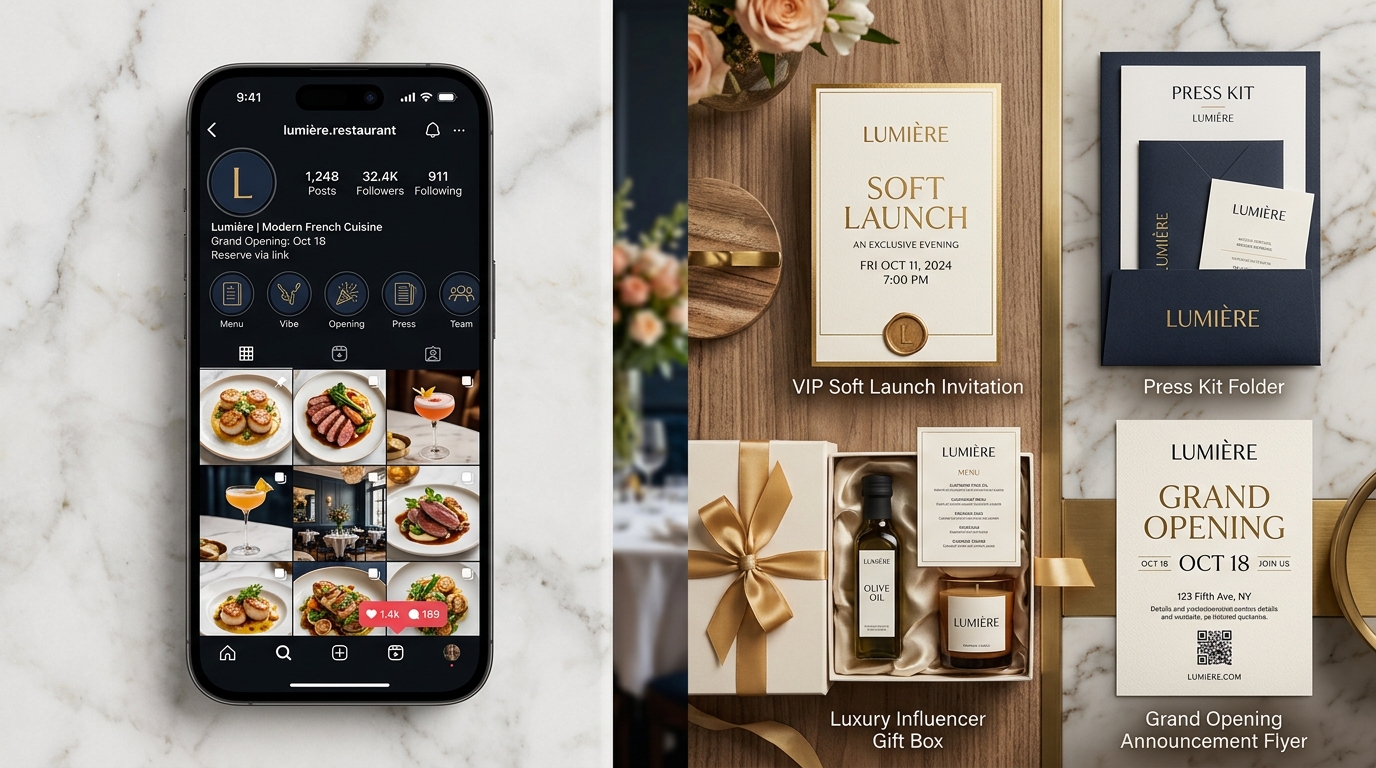
For a new restaurant, allocate 5–10% of projected first-year revenue to marketing. On £1M projected revenue, that's £50,000–£100,000 for the year. Front-load the spend: 40–50% of the annual budget should go into pre-launch and the first 3 months.
Inviting restaurant critics to your grand opening instead of your soft launch. A critic who visits during a chaotic grand opening will write about the chaos. A critic who visits during a controlled soft launch — where you can deliver your best food and service — will write about the food and service. Control the narrative.
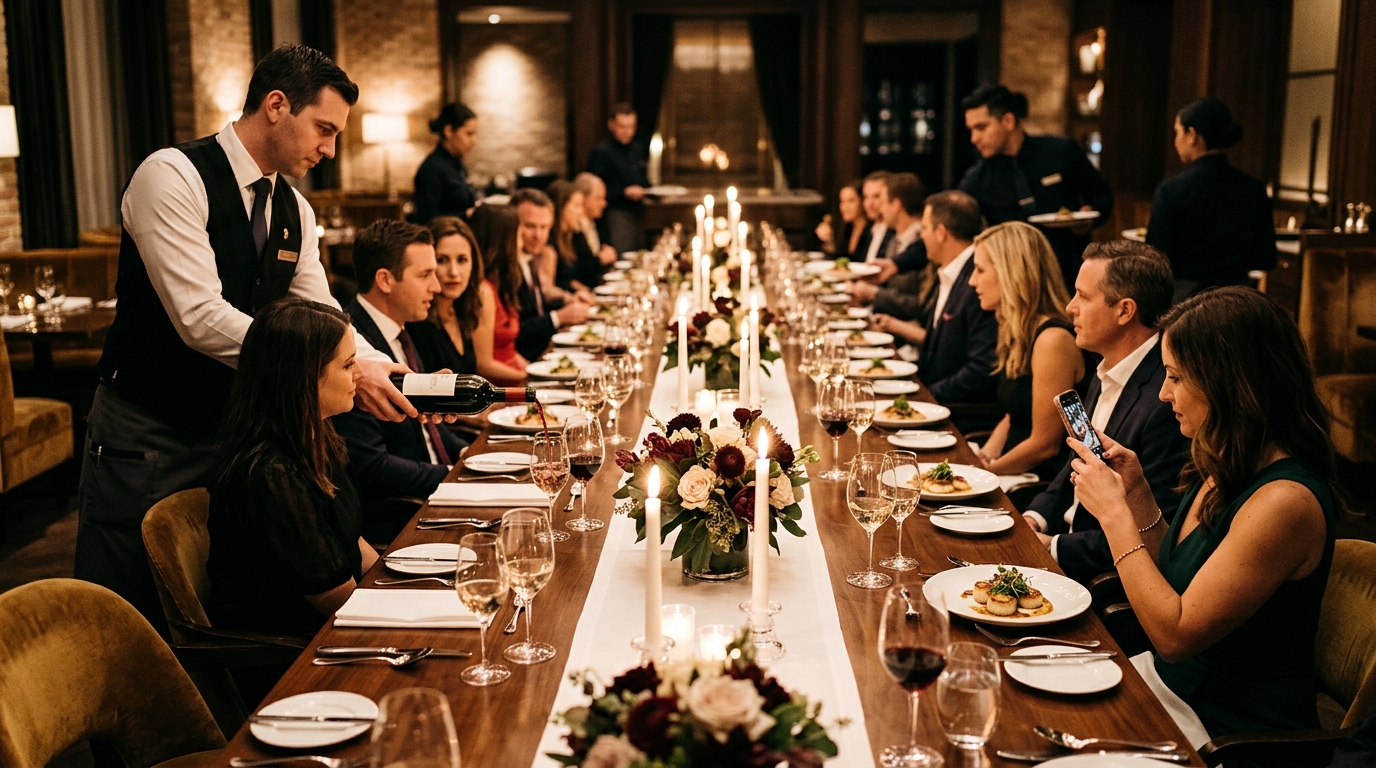
Test the complete guest journey from start to finish:
Critical question: can the kitchen handle volume?
Running only one soft launch evening. One night tells you nothing — it could have been a fluke (good or bad). Three to five evenings at increasing capacity let you identify patterns, fix systemic issues, and build genuine confidence. By your final soft launch, your team should be able to handle the grand opening with calm professionalism.
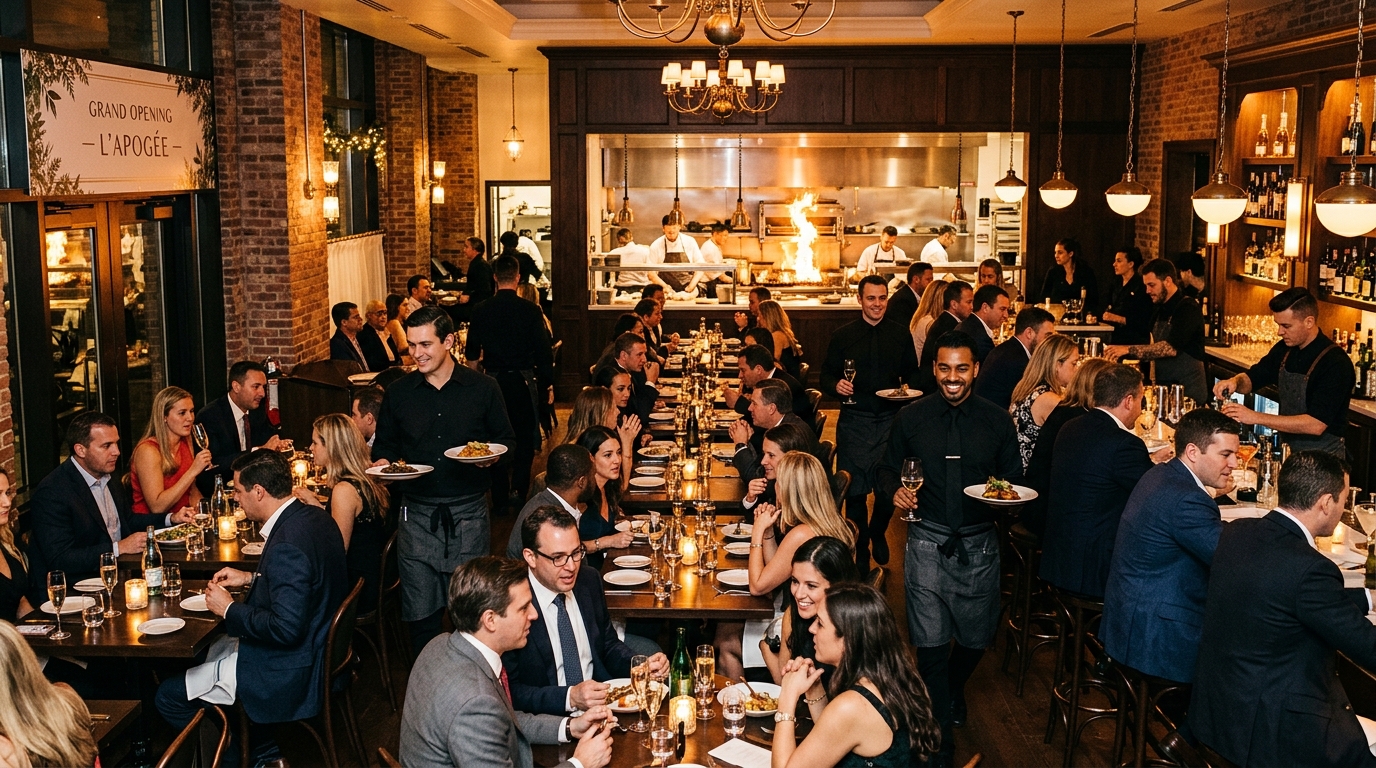
Unlike a coffee shop grand opening, a restaurant grand opening should be an invitation-only evening event — not a walk-in promotion:
Your first public service (the day after grand opening) needs a detailed plan:
| Metric | Target |
|---|---|
| Average covers per service | 70–85% of capacity by month 3 |
| Average spend per head | Per your financial model (+/- 10%) |
| Food cost % | 28–35% of food revenue |
| Drink revenue as % of total | 25–35% |
| Google/TripAdvisor review score | 4.3+ stars, trending upward |
| Staff turnover rate | <30% annually (industry avg is ~75%) |
| Table turn time | 90 min casual / 120 min fine dining |
| No-show rate | <5% (use deposit/card-hold system) |
| Private dining inquiry conversion | 40%+ of inquiries converted |
Most of our ongoing retainer clients come to us at the 60–90 day mark. The adrenaline of opening has worn off, the real patterns are emerging, and owners realize they need ongoing strategic support to grow — not just survive. Our Monthly Retainer packages (Light £1,750/month, Standard £3,000/month, Premium £4,950/month) provide exactly that.
You've got the playbook. Every chapter, every checklist, every budget line, every mistake to avoid — it's all here. The question now is: do you want to do it all yourself, or do you want a team that's done this 250+ times to do it with you?
We've been in your shoes. We've made the mistakes so you don't have to. And we've turned those lessons into a system that works.
Your restaurant deserves to be one of the ones that makes it.
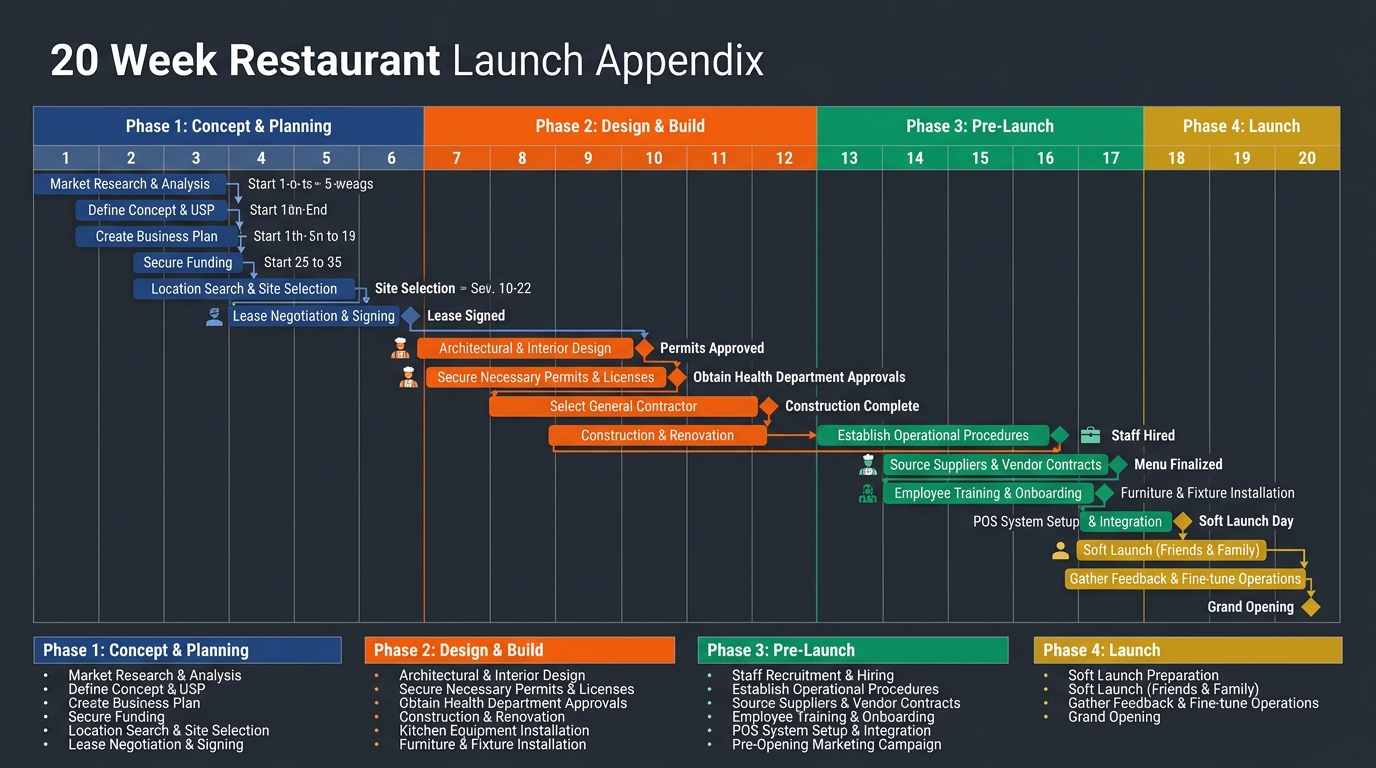
A full checklist of everything EDC delivers across all 12 chapters — print this and use it as your project tracker.
| Essentials £4,500 |
Full Setup £7,500 |
Turnkey £14,000 |
|
|---|---|---|---|
| Concept Development | ✓ Basic | ✓ Full workshop | ✓ Full + personas |
| Business Plan | ✗ | ✓ | ✓ Investor-ready |
| Location Assessment | ✗ | ✓ 1 site | ✓ Up to 3 sites |
| Licensing Guidance | Checklist only | ✓ Full + alcohol | ✓ Full + HACCP |
| Kitchen/Equipment Design | ✗ | ✓ Layout | ✓ Layout + sourcing |
| Brand & Design | Logo + basics | Brand kit + menus | Full 180+ package |
| Menu Development | Basic costing | ✓ Engineered | ✓ Full + wine list |
| Tech Setup | Recommendations | ✓ POS + reservations | ✓ Full stack + KDS |
| Staff Training | ✗ | 1-day programme | 3-day + handbook |
| Marketing | Launch checklist | ✓ Campaign plan | ✓ Full execution |
| Soft Launch Support | ✗ | ✓ Planning | ✓ On-site support |
| Grand Opening | ✗ | ✓ Planning | ✓ On-site coordination |
| Ongoing Support | ✗ | 1 month | 3 months |
All prices in GBP. USD, EUR, and AED equivalents on request.
Flexible payment plans available: 3-month (3% fee) or 6-month (3% fee).
Book a free 30-minute consultation and let's discuss your concept, timeline, and budget.
Or call us: +44 7496 766792 | hello@epicureandigitalconsultants.com
Available across all major time zones — UK, US and Europe